
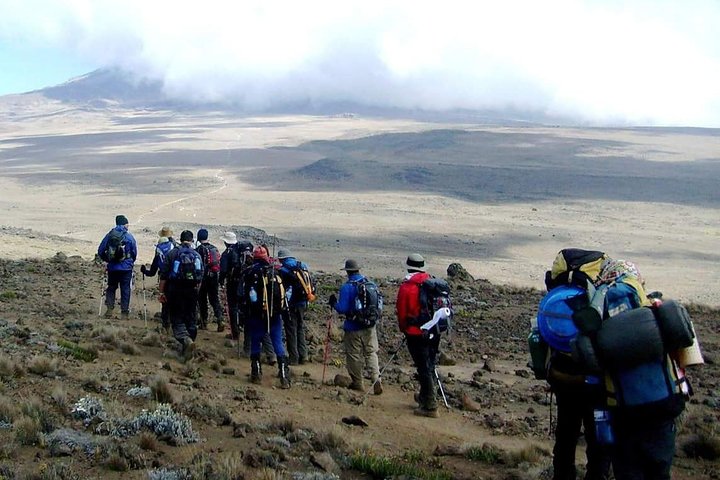
Marangu Route 6-Day Kilimanjaro Climb: Summit Uhuru Peak via Mandara & Kibo Huts
A practical six-day ascent of Kilimanjaro along the classic Marangu Route: rainforest steps to alpine desert, hut-based nights, and a midnight summit push to Uhuru Peak. Ready for long days, steep gains and big views? Read on for what to expect and how to prepare.
The Experience
Before You Go
Pace for altitude
Walk slowly and steadily—shorter steps and frequent breaks reduce acute altitude effects and improve summit chances.
Summit night essentials
A reliable headlamp, extra batteries and a warm down jacket are non-negotiable for the pre-dawn ascent to Uhuru Peak.
Hydration strategy
Carry 2–3 liters and drink small amounts often; electrolyte tablets help replace salts lost at altitude.
Protect porters and staff
Tip in local currency and bring small dry sacks to keep their gear dry—local crews are vital to safe, efficient climbs.
Local Knowledge
Hidden Gems
- •Maundi Crater viewpoint on Day 1 for sweeping views toward Kenya
- •Zebra Rocks—striped volcanic outcrops near Horombo for unique geology and photo stops
Wildlife
- •Blue monkey/colobus species in the rainforest
- •Small antelope like bushbuck and diverse alpine birdlife
Conservation Note
Kilimanjaro National Park protects summit ecosystems, but glacier retreat and trail erosion are ongoing issues—stick to trails, minimize waste, and support local porter- and conservation-focused operators.
Kilimanjaro is a dormant volcanic massif whose lower slopes have long been farmed by the Chaga people; the mountain was first summited in the late 19th century.
What to Bring
Insulated down jacketEssential
Critical for summit night and high-wind exposure above 4,500m.
Sturdy waterproof trekking bootsEssential
Support and traction for muddy rainforest trails and rocky alpine terrain.
Headlamp with spare batteriesEssential
Needed for pre-dawn summit starts and early morning movement in huts.
Hydration system (2–3L) & electrolytesEssential
Continuous fluid replacement mitigates altitude-related dehydration and fatigue.
Common Questions
Do I need technical climbing skills to reach Uhuru Peak?
No technical climbing is required on the Marangu Route; the challenge is altitude and long hiking days rather than rock or ice climbing.
What is the best time of year to climb?
June–October are the driest and most popular months, but shoulder seasons like September and January–February can offer fewer crowds and stable weather.
How well do huts sleep and what do they include?
Huts are basic communal dormitories with mattresses; bring a warm sleeping liner—meals are provided and guides handle logistics.
How can I reduce the risk of altitude sickness?
Acclimatize with slow pacing, hydrate, eat regularly, and respect your guide’s advice; consider a 6-day itinerary to increase success versus shorter schedules.
Book This Experience
Check AvailabilityDuration
6 days
Location
Moshi, Kilimanjaro Region
Difficulty
challenging
Fitness Level
Good cardiovascular fitness with experience in multi-day hikes; ability to carry a daypack and maintain steady uphill pace.
Ready to Explore Moshi?
Book your guided walking tour and discover the hidden stories of this historic mountain city.
Check Availability & Book Now