3-Day Private Tour of Uyuni Salt Flats and Eduardo Avaroa Colorful Lagoons
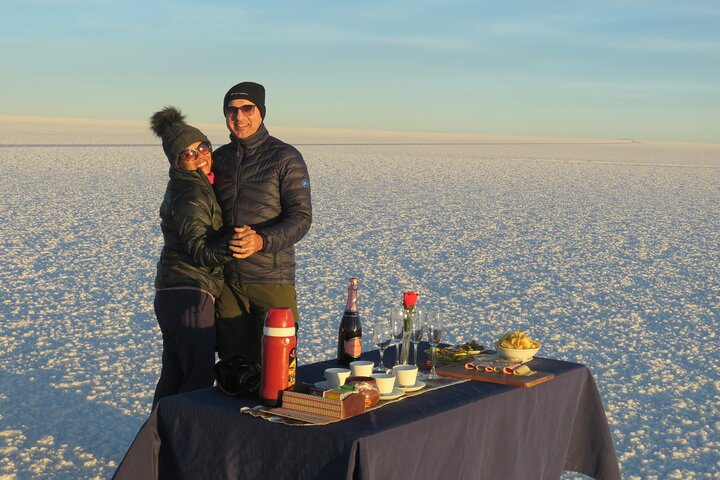
Cross the otherworldly Salar de Uyuni and the flamingo‑lined lagoons of Eduardo Avaroa on a private three‑day circuit from Uyuni. Expect long drives, high‑altitude mornings, and vivid photographic moments—plan for sun, wind and thin air.
The Experience
Before You Go
Acclimatize in Uyuni or La Paz first
Spend at least 24–48 hours at moderate altitude before the tour to reduce risk of altitude illness.
Hydrate continuously
Carry 2–3 liters of water per day and sip frequently—the dry high Andes accelerates dehydration.
Sun and glare protection
Bring high‑SPF sunscreen, UV sunglasses and a wide‑brim hat for intense midday radiation on reflective salt.
Sturdy boots for mixed terrain
Wear ankle‑supporting boots for gravel tracks, icy mornings and walking on rough volcanic rock.
Local Knowledge
Hidden Gems
- •Incahuasi Island viewpoint for cactus‑topped panoramas
- •Thunupa Mirador and nearby Pucara of Ayque with Coquesa mummies and local ruins
Wildlife
- •Andean flamingo
- •vicuña (and occasionally Andean geese)
Conservation Note
The salt crust and fragile lagoons are easily damaged—stick to marked tracks, avoid leaving waste, and respect bird nesting zones to limit tourism impact.
The salt flats are the remnant of a prehistoric lake; the region also preserves mining-era train graveyards and pre‑Inca ruins that reflect long human use of high Andean routes.
What to Bring
Insulating down or synthetic jacketEssential
Cold nights and high‑altitude winds demand a warm, compressible jacket.
UV sunglasses and sunhatEssential
High reflectivity of salt and thin air increase UV exposure—protect eyes and skin.
Sturdy trekking bootsEssential
Good traction and ankle support are useful on salt crust, gravel and volcanic rock.
2–3L hydration system or water bottlesEssential
Continuous hydration mitigates altitude effects and the region's low humidity.
Common Questions
What is the best time to see the mirror effect on the Salar?
The mirror effect is most dramatic in the rainy season (November–March) when a shallow water layer forms; however road conditions can be slower in heavy rains.
How severe is altitude sickness on this route?
Altitude ranges to about 4,300 m—many visitors experience mild symptoms; acclimatization, pacing, hydration and avoiding alcohol help, but speak with a doctor if you have heart or respiratory conditions.
Are meals and accommodation included?
The tour includes two nights in basic hostels and several meals (typically 2 breakfasts, 3 lunches, 2 dinners); bring snacks and any specialty dietary items just in case.
Can I use my phone/camera at extreme cold?
Cameras and batteries lose charge faster in cold—keep spares warm inside your jacket and carry protective cases for dust and salt.
Book This Experience
Check AvailabilityDuration
3 days
Location
Uyuni, Potosí
Difficulty
moderate
Fitness Level
Moderate fitness recommended—able to tolerate several hours of travel and short hikes at high altitude.
Ready to Explore Uyuni?
Book your guided walking tour and discover the hidden stories of this historic mountain city.
Check Availability & Book Now